Celebration: On March 6, the
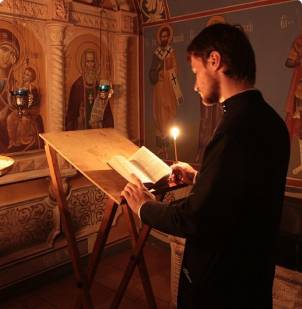
Kozelshchansky icon of the Most Holy Theotokos occupies a place of honor among the famous miracle-working icons, its popularity began to gain since 1881. The origin of this icon dates back to Italy, and it was brought to Russia by one of the courtiers of the Empress Elizabeth Petrovna (1741-1761). Later, the owner of the icon married a clerk of the Zaporozhye army named Siromakha, and the icon came to Ukraine. In the XIX century, it was a legacy of the Kapnist family and was located in the village of Kozelshchyna, Poltava province. The story of the miraculous healing is connected with the daughter of one of the owners of the icon, Maria, who suddenly fell ill during cheese week in 1880. Despite the efforts of local doctors, the girl’s condition worsened, and her father decided to send her to a Kharkiv surgeon. Due to the severe suffering and treatment in the Caucasus, Maria’s condition has become even worse. She lost sensation in her arms and legs, and the doctors were powerless against this mysterious disease. All the family’s hopes for Earth doctors were gone. However, when Maria found out that a foreign professor was expected to arrive at their home, she expressed a desire to return home, hoping for the help of this specialist. After receiving the telegram about the professor’s arrival, Maria and her mother prayed in front of the icon of the Mother of God of Kozelsk. The healing came suddenly: Mary felt strength in her arms and legs and began to walk. This miracle occurred after a thorough prayer in front of the icon. Mary’s healing astounded those around her, and news of it quickly spread in the surrounding area. Mary’s mother decided to go to Moscow with her daughter, and they took an icon of the Mother of God with them. In Moscow, word of the miracle quickly spread, and people began to come to the church to pray in front of the icon. Several other miraculous healings took place from the icon. In 1882, a church was built, and in 1885, a women’s community was established, which later became a convent in honor of the Nativity of the Most Holy Theotokos. During the Soviet era, the monastery was closed, but the icon of the Mother of God was secretly moved and kept in different places. In 1993, she returned to the Kozel region and continues to be an object of worship and prayer.