Celebration on January 8, April 27
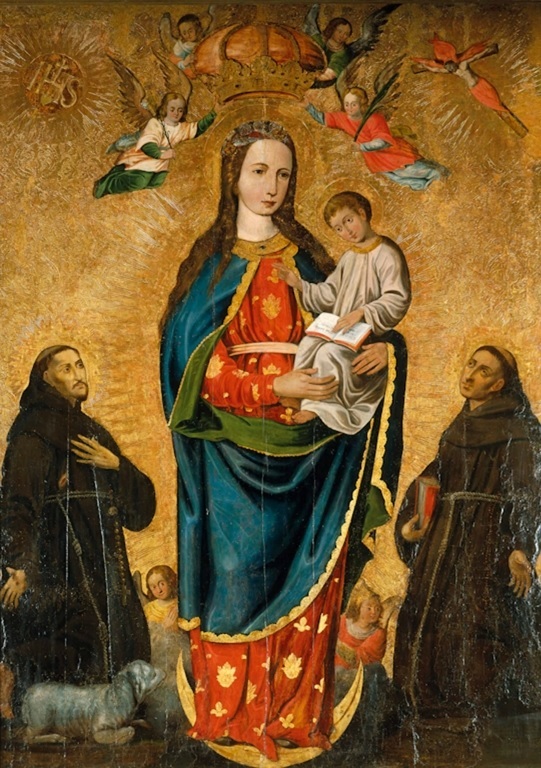
The Ostrobram (Vilna) Icon of the Mother of God is the main shrine of Vilna, around which several legends have been preserved that tell about its origin. According to one version, the icon was brought by Grand Duke Olgerd from Korsun and presented to his first wife, Maria. According to another legend, it was sent to Olgerd by the Greek emperor John Palaiologos after he learned about the adoption of Christianity by Olgerd. The third legend says that the icon appeared miraculously on the Sharp Gate in 1431. The only fact is that in 1431 it was already located in a chapel next to the Trinity Church in Vilna and was originally called Korsun. In 1498, in Vilna, due to the threat of an attack by the Tatars, new stone city walls were erected with a gate and a chapel above them. The icon was placed on this chapel, facing the entrance to the city. Since then, it has become known as Ostrobramskaya (or Ostrovorotnaya), from the word “brama”, which means gate. During the union period, the icon became the property of the Basilians and then the Carmelites, who in 1671 replaced the old chapel with a new one and installed the icon so that it faced the church and the city. In different periods of history, the icon was moved, damaged, and restored, but it remained under the protection of the Catholic clergy. The icon, painted on an oak board, depicts the moment of the Annunciation and is an object of special veneration for both Orthodox and Catholics.