Celebration: February 28, April 27
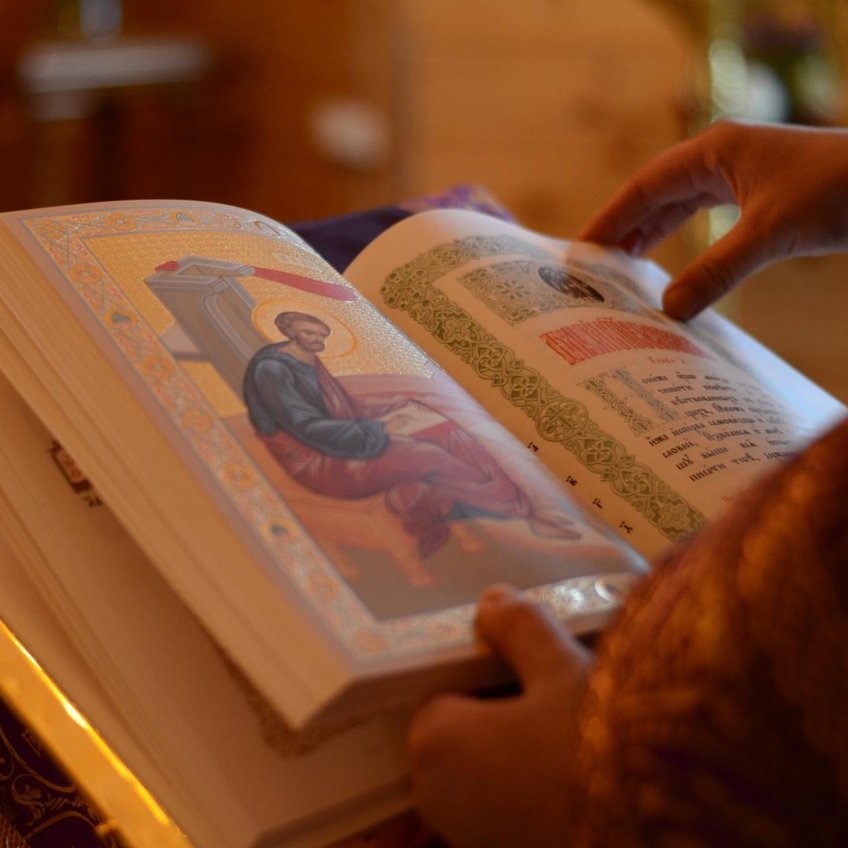
The Vilna Icon of the Mother of God, painted by St. Luke the Evangelist, had a long and majestic history. For centuries it served as the ancestral shrine of the Greek emperors in Constantinople. In 1472, the icon was brought to Moscow by Sofia Palaiologos, wife of Grand Duke John III of Moscow (1462-1505). In 1495, the icon blessed the wedding of his daughter Elena, who was marrying the Lithuanian King Alexander. This event was the reason for the establishment of a celebration on February 15 in honor of the transfer of the icon to the former capital of Lithuania, the city of Vilna. After some time, the icon was placed in the Prechistensky Church, where Princess Elena was later buried. Later, John the Terrible tried to return the miraculous icon to Moscow, offering King Sigismund 50 outstanding Lithuanian captives in exchange for the shrine. However, the king, with the resistance of both the Orthodox and Uniate clergy, firmly refused, not wanting to lose this valuable treasure. Prechistensky Cathedral was transferred to the Uniates, and the icon remained in this church until the middle of the XVIII century, after which, together with the metropolis, it was transferred to the Vilna Holy Trinity Monastery, which at that time was under the control of the Basilians. In 1839, the Holy Trinity Monastery and the icon of the Hodegetria were returned to the Orthodox faithful. From that moment on, the icon became the center of reverent veneration for all Orthodox Christians. During the First World War, many shrines, including the Vilna Icon, were evacuated from the frontline zone in Lithuania and Belarus. In 1915, the icon, along with the relics of the Vilna Martyrs, was delivered to the Moscow Donskoy Monastery. The events that occurred after this transfer remain unknown. The icon of the Hodegetria was painted on four wooden boards connected together, the middle of which are made of cypress, and the rest of birch. In 1864, this miraculous image was restored.