Celebration: October 26, February 25, May 6, April 18 (rolling)
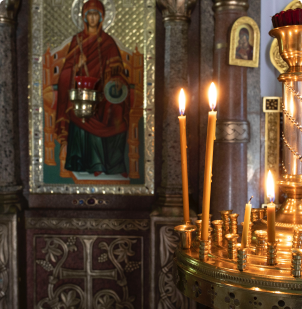
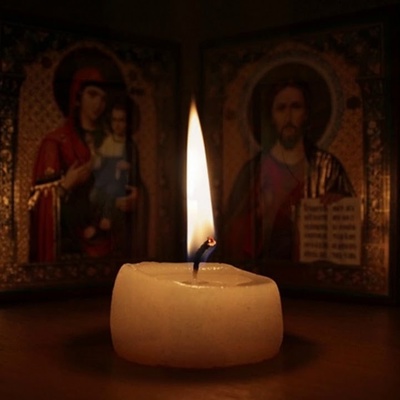
The Iveron icon of the Most Holy Theotokos, currently located on Mount Athos, has become famous for numerous miracles. Stories about the miraculous image quickly spread across Russia. His Holiness Patriarch Nikon, then Archimandrite of Novospassk, appealed to Archimandrite Pachomius of the Iveron Athos Monastery, who had come to Moscow to seek support for the Athos monasteries, with a request to provide a copy of the wonderworking Iveron icon of the Most Holy Theotokos. The Athonite monk Iamblichus created a copy of the image, and a year later the icon, accompanied by Athonite monks, arrived in Moscow. On October 13, 1648, it was solemnly welcomed by the residents of the capital. The Moscow Iveron icon became a great shrine of the Russian Orthodox Church and was famous for numerous miracles. The history of the Iveron icon begins in the IX century, when it was located in the house of a pious widow who lived near the city of Nicaea. During the time of Emperor Theophilus (829-842), iconoclasts who destroyed holy images came to the house of this Christian woman. One of the soldiers, who struck the icon of the Virgin with a spear, caused a flow of blood from the image. The widow, fearing the destruction of the shrine, offered the soldiers of the emperor money and asked not to touch the icon until morning. After they left, the woman, together with her son, the future monk of Mount Athos, lowered the holy icon into the sea to preserve it. The icon, standing on the water, swam to Mount Athos. The Athonite monks, seeing a pillar of fire rising to the sky over the sea for several days in a row, went to the shore and found the holy image standing on the water. After the prayer service for the appearance of the shrine in the monastery was performed, the pious monk of the Iveron monastery, Saint Gabriel of Georgia, according to the instructions of the Blessed Virgin, who appeared to him in a dream, went on the water, took the holy icon and installed it in the church. However, the next morning the icon was found not inside the church, but above the monastery gate. This was repeated several times, until the Blessed Virgin revealed her will to Saint Gabriel in a dream, saying that she did not want to be kept by the monks, but wanted to be their Patroness. For this reason, the Virgin was installed over the gates of the monastery, where it can still be found today. In this regard, the icon is called Portaitissa or Goalie.